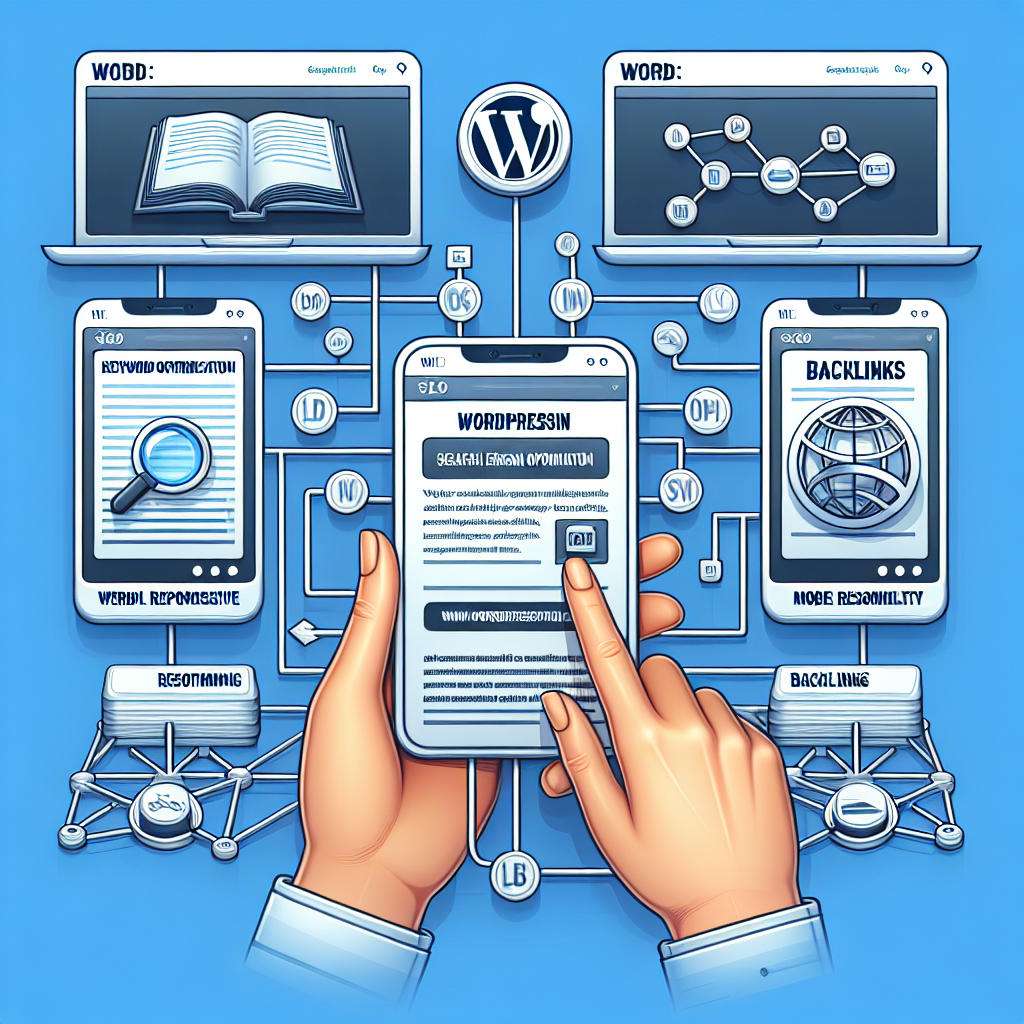
In today’s digital landscape, having a strong online presence is crucial for the success of any website. One of the key components of a successful online strategy is Search Engine Optimization (SEO), and when it comes to WordPress sites, there are specific tips and strategies that can help you improve your site’s visibility and ranking on search engine results pages (SERPs).
1. Choose the Right SEO-Friendly WordPress Theme
The foundation of good SEO on WordPress starts with selecting a theme that is well-coded, fast, and mobile-responsive. A clean and optimized theme not only provides a better user experience but also helps search engines crawl and index your site more effectively.
2. Optimize Your Permalinks and URLs
WordPress allows you to customize your URLs, also known as permalinks, to include relevant keywords. By setting up SEO-friendly permalinks, you can improve the chances of your content ranking higher in search results.
3. Install an SEO Plugin
Plugins like Yoast SEO or Rank Math can be powerful tools for optimizing your WordPress site. These plugins provide valuable insights, such as content analysis, keyword optimization, and readability scores, to help you create SEO-friendly content.
4. Create High-Quality, Optimized Content
Content is king when it comes to SEO. Producing high-quality, relevant, and optimized content is essential for attracting organic traffic to your WordPress site. Make sure to include target keywords, internal links, and meta descriptions in your content.
5. Improve Site Speed and Mobile Responsiveness
Site speed and mobile-friendliness are critical ranking factors for search engines. Use tools like Google PageSpeed Insights to analyze and optimize your site’s speed, and ensure that your site is responsive across all devices.
6. Build Quality Backlinks
Earning backlinks from reputable and authoritative websites can significantly impact your site’s SEO. Focus on creating valuable content that others want to link to, and consider guest posting or reaching out to influencers in your industry for backlink opportunities.
7. Optimize Your Images and Media
Optimizing images on your WordPress site can improve page load times and enhance user experience. Use descriptive filenames, alt text, and captions for your images to help search engines understand the content of your media.
8. Regularly Monitor and Analyze Your SEO Performance
Lastly, it’s essential to track your SEO efforts and performance using tools like Google Analytics or Google Search Console. Monitor your keyword rankings, organic traffic, and user behavior to identify areas for improvement and adjust your SEO strategy accordingly.
By implementing these SEO tips for WordPress sites, you can enhance your site’s visibility, attract more organic traffic, and ultimately improve your search engine rankings. Remember that SEO is an ongoing process, so stay consistent, keep up with the latest trends, and continue to optimize your WordPress site for success.